.png)


From Classroom to Clinic: The Importance of EDIB in Healthcare
Updated: Oct 3, 2023
In the ever-evolving world of healthcare, a set of principles is gaining prominence and acceptance: Equity, Diversity, Inclusion, and Belonging (EDIB). These principles are not just buzzwords but catalysts for systemic change in healthcare academic settings and clinics. Today, we will dive deep into understanding why EDIB is pivotal in this sector and how it shapes healthcare's future.
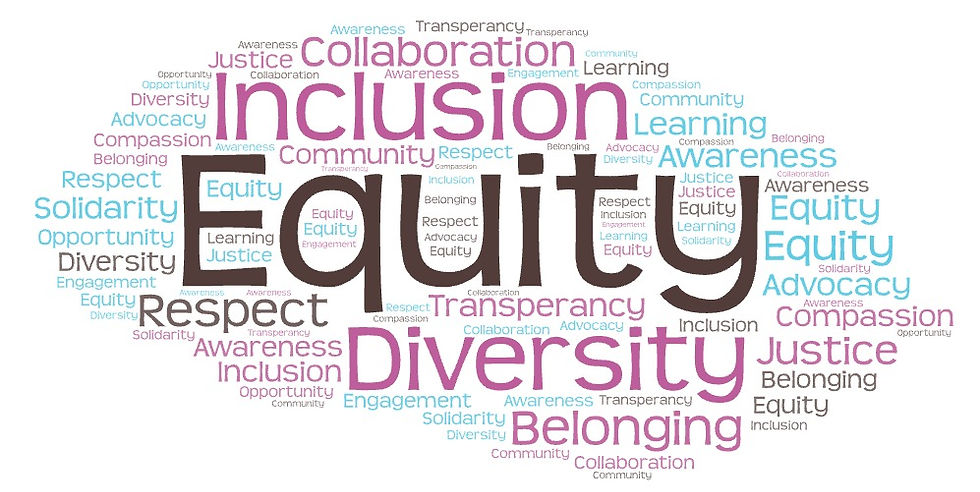
Why is EDIB Important in Healthcare?
Reflecting the Population Served: Healthcare serves a diverse community of patients. Each individual comes with a unique set of experiences, health concerns, and needs. By promoting EDIB, we ensure that the healthcare workforce reflects this diversity, enabling them to understand better and address these unique needs.
Improving Patient Outcomes: Studies have shown that patients have better health outcomes when treated by healthcare providers who understand their cultural and socioeconomic backgrounds. A diverse workforce can offer varied perspectives and innovative solutions to complex health problems.
Advancing Medical Research: A diverse academic setting can foster various ideas. This diversity leads to groundbreaking research and discoveries that could revolutionize medical treatments and patient care.
How is EDIB Being Integrated in Healthcare Academics?
Curriculum Transformation: Medical schools are revisiting their curricula to incorporate EDIB principles. Teaching students about health disparities, social determinants of health, and cultural competency prepares a new generation of healthcare providers to offer holistic and patient-centered care.
Recruitment and Retention: More emphasis is now on recruiting a diverse cohort of students, faculty, and staff. Scholarships, mentorship programs, and support groups are some initiatives to retain and support them throughout their academic journey.
EDIB in Clinics: Beyond the Classroom
Cultural Competency Training: Clinics are providing training sessions for their staff to improve their understanding of different cultural backgrounds, beliefs, and practices related to health.
Patient-Provider Matching: Some clinics match patients with providers who share similar cultural or linguistic backgrounds, leading to more effective communication and better patient outcomes.
Community Engagement: Clinics are more proactive in engaging with their local communities. They can tailor their services and programs more effectively by
understanding community needs.
The Challenges Ahead
While progress has been made, challenges remain. Implicit bias, resistance to change, and limited resources are just a few obstacles healthcare institutions face in pursuing EDIB. These challenges must be acknowledged and addressed to ensure that the benefits of EDIB are fully realized.
As we move forward in the 21st century, the significance of EDIB in healthcare academics and clinics cannot be understated. By embracing these principles, we're creating a more inclusive environment for both healthcare providers and patients and paving the way for better patient outcomes and groundbreaking medical research. It's time to acknowledge, advocate for, and integrate EDIB in every facet of healthcare.


Comments